

The ecological surveys required before submitting a planning application depend on the habitats present, the likelihood of protected species using the site and the potential environmental impacts of the proposed development. A Preliminary Ecological Appraisal (PEA) is often the starting point, followed by specialist surveys for bats, birds, reptiles, great crested newts or other species where necessary.
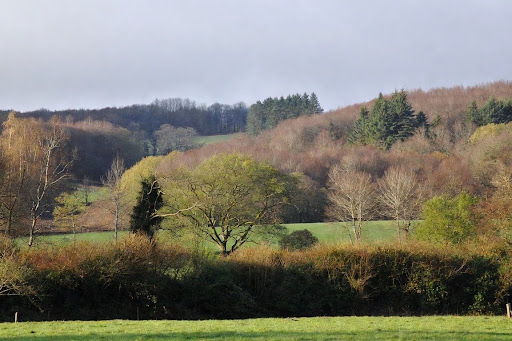
Ecological assessments help developers identify environmental constraints, establish baseline habitat conditions and determine whether further survey work or mitigation measures are required before planning permission can be granted.
In England, ecological survey findings also support Biodiversity Net Gain (BNG) calculations for developments subject to mandatory BNG requirements.
Understanding these requirements early can help developers avoid planning delays, unexpected costs and design changes. Where ecological assessments identify a need for off-site biodiversity units, Civity’s BNG services for developers can help project teams understand the available options and associated costs.
Are Ecological Surveys Required for Every Planning Application?
Ecological surveys are not automatically required for every planning application. However, developers must provide sufficient ecological information where a proposed development could affect protected species, priority habitats, designated sites or other important ecological features. The local planning authority determines whether the submitted evidence is adequate to assess the development’s potential environmental impacts.
The need for surveys depends on the site’s location, existing habitats and proposed works.
For example, a development involving the demolition of an older building may require a bat survey if suitable roosting features are present. A proposed development affecting ponds, grassland or hedgerows may require surveys for amphibians, reptiles or nesting birds.
Even previously developed land can support valuable habitats and protected species. Brownfield sites may contain species-rich grassland, scrub, reptiles and important invertebrate populations.
Under Natural England’s protected species planning guidance, local planning authorities should request appropriate surveys where protected species are likely to be present and could be affected by development.
The necessary ecological evidence should normally be available before the planning application is determined, rather than leaving fundamental survey work to a planning condition.
What Is a Preliminary Ecological Appraisal?
A Preliminary Ecological Appraisal (PEA) is an initial ecological assessment used to identify habitats, protected species potential and ecological constraints affecting a proposed development site. It typically combines a desk study with a site walkover survey, allowing an ecologist to determine whether further specialist surveys, mitigation measures or design changes may be required.
A PEA is commonly one of the first ecological assessments commissioned during development planning.
The desk study reviews existing ecological information, including records of protected species, nearby designated sites and relevant habitat data.
The walkover survey allows an ecologist to inspect the land, identify existing habitat types and assess features that may support protected or notable species.
For example, mature trees may contain potential bat roosting features, while hedgerows and scrub can provide nesting and foraging habitat for birds.
The resulting ecological report identifies likely constraints and recommends further surveys where necessary.
Is a Phase 1 Habitat Survey the Same as a PEA?
A Phase 1 Habitat Survey is a traditional habitat classification method used to identify and map broad habitat types. A Preliminary Ecological Appraisal is a wider assessment that considers habitats, protected species potential and other ecological constraints.
Modern ecological assessments may use UKHab classification, particularly where habitat information is needed for the statutory biodiversity metric.
Although the terms are sometimes used interchangeably, developers should confirm that the survey methodology provides the information required for their planning application.
Nowadays, Phase 1 Habitat Surveys are largely a relic methodology and will not give sufficient information in most cases to adequately inform a planning application. Usually, a PEA will be required, specifically utilising UKHab classification for the highest ease of applying the results to a BNG assessment (if required).
Which Protected Species Surveys Might Be Required?
Protected species surveys are required for determination where ecological evidence indicates that a particular species may be present and the proposed development could affect it. The type and extent of survey work depend on the habitats available, existing species records, the proposed works and relevant legislation. An ecologist should be consulted as early as possible in the process as many of the surveys have specific calendar windows during which they must take place. Knowing the relevant windows for your project early on helps prevent delays and avoids making commitments to timeframes that are fundamentally untenable.
Bat Surveys
Bat surveys may be required where development affects buildings, mature trees, woodland edges or other features suitable for roosting, commuting or foraging bats.
An initial preliminary roost assessment can identify potential roosting features. Where necessary, further surveys may involve observing bats emerging from or returning to buildings or trees.
Bats and their roosts receive legal protection under the Conservation of Habitats and Species Regulations 2017 and the Wildlife and Countryside Act 1981.
Developers planning demolition, roofing alterations, building conversions or tree removal should consider bat survey requirements early.
Great Crested Newt Surveys
Great crested newt surveys may be necessary where ponds, ditches or suitable terrestrial habitats occur within or near a development site. Surveys can involve environmental DNA (eDNA) sampling to detect genetic material in water, alongside conventional survey methods where appropriate.
Natural England’s great crested newt planning guidance explains when surveys may be needed and how development impacts should be assessed. District-level licensing may provide an alternative route for eligible developments in participating areas.
Reptile Surveys
Reptile surveys are commonly considered where a proposed development affects rough grassland, scrub, woodland edges, brownfield habitats or other areas suitable for reptiles.
Surveyors may use artificial refuges, habitat inspections and repeated site visits under suitable weather conditions to establish whether reptiles are present.
Survey findings help determine whether habitat retention, sensitive vegetation clearance or other mitigation measures are required.
Bird and Barn Owl Surveys
Bird surveys may be required where development affects nesting habitats, including hedgerows, woodland, grassland, agricultural buildings and mature trees.
Breeding bird surveys assess the presence and distribution of nesting species, while wintering bird surveys may be necessary where a site supports important seasonal bird populations.
Barn owl surveys can be particularly relevant where development affects agricultural buildings, established trees or suitable nesting and foraging habitats.
Survey findings help developers plan vegetation clearance, building works and appropriate mitigation without unlawfully damaging active nests.
Dormouse Surveys
Hazel dormouse surveys may be required where development affects suitable woodland, scrub or connected hedgerow networks within areas where the species occurs.
Surveys can involve nest tubes, nest boxes and other recognised methods.
Because dormice depend on suitable connected habitats, ecological assessments may also consider how development could affect movement between woodland and hedgerow areas.
Otter and Water Vole Surveys
Otter and water vole surveys may be necessary where development affects rivers, streams, ditches, ponds or associated bankside habitats.
Ecologists may inspect watercourses for field signs such as burrows, feeding remains, footprints and other evidence of activity.
Survey findings can influence drainage design, construction access, vegetation clearance and the protection of watercourse habitats.
When Are Botanical and Habitat Surveys Required?
Botanical and habitat surveys are important where a development site contains potentially valuable vegetation, priority habitats or plant communities that require more detailed assessment. They establish which plant species and habitat types are present, helping ecologists evaluate ecological importance and identify appropriate protection, mitigation or habitat enhancement measures.
A basic habitat assessment may identify broad habitat categories, but more detailed botanical surveys can be necessary where vegetation is diverse or difficult to classify.
Surveyors may use quadrat sampling, transects or National Vegetation Classification (NVC) methods to investigate plant communities.
These assessments can be particularly important for species-rich grassland, wetlands, ancient woodland and other habitats of conservation significance.
Detailed botanical information may also support accurate habitat condition assessments within the statutory biodiversity metric.
What Is an Ecological Impact Assessment?
An Ecological Impact Assessment (EcIA) evaluates the likely ecological effects of a proposed development on important habitats, protected species and other ecological features. It uses survey findings and development information to assess potential impacts and recommend avoidance, mitigation, compensation and enhancement measures.
An EcIA is generally appropriate where a development could have significant ecological effects that require structured assessment.
For example, a proposed development may affect woodland, watercourses, protected species habitats or designated ecological sites.
The assessment considers the importance of those features and how construction and operational activities could affect them.
It can also evaluate cumulative impacts and recommend measures to reduce adverse effects.
An EcIA is not automatically required simply because a protected species is present. The need for a formal assessment depends on the development and the nature of its likely ecological impacts.
Is an Environmental Impact Assessment Also Required?
An Environmental Impact Assessment (EIA) is a broader assessment process used for certain developments likely to have significant environmental effects. Ecology and biodiversity may form part of an EIA, alongside other topics such as landscape, noise, water, air quality and population impacts.
Not every development requires an EIA.
Whether one is necessary depends on the type, scale, location and likely effects of the proposed project, assessed through the relevant EIA regulations and screening process.
Where an EIA is required, ecological survey data may inform the biodiversity assessment within the Environmental Statement.
Developers should distinguish between a standalone EcIA and an EIA, as they serve different purposes within the planning process.
When Should Ecological Surveys Be Carried Out?
Ecological surveys should be commissioned as early as possible during the development planning process, ideally before layouts and construction programmes are finalised. Some assessments can be completed throughout the year, while others depend on seasonal wildlife activity and suitable weather conditions.
A preliminary ecological appraisal can generally be undertaken throughout the year, although seasonal limitations may affect the information available.
Specialist survey periods vary. Breeding bird surveys are generally undertaken during spring and summer, while reptile surveys are most effective during suitable warmer conditions. Great crested newt surveys often focus on spring, and certain bat activity surveys require visits during the active season.
In very general terms, the majority of seasonally-restricted ecology surveys take place between spring and late summer – so factor this period in if your project is likely to impact habitats and species.
The precise timing depends on the species, survey method, location and weather.
How Long Are Ecological Surveys Valid?
There is no single expiry date that applies to every ecological survey. The suitability of existing survey data depends on the species, habitat, age of the information and whether conditions on the development site have changed. The majority of surveys are usually valid for 12 months but if a longer period has passed, don’t make any assumptions until an ecologist has reviewed and advised as some surveys may require updates or validation.
Professional guidance commonly distinguishes between recent survey information and older evidence that may need updating or repeating because of time passing and/or change in situation.For example, a site that has undergone vegetation clearance, changes in land management or substantial habitat alteration may require updated ecological information even if the original survey is relatively recent.
Different protected species also have specific guidance concerning the age and reliability of survey data.
Developers should ask their ecological consultant to review existing reports before relying on them for a new or amended planning application.
How Do Ecological Surveys Support Biodiversity Net Gain?
Ecological surveys provide the baseline habitat information needed to calculate biodiversity value and assess how a proposed development will affect existing habitats. For developments subject to mandatory Biodiversity Net Gain, this information is entered into the statutory biodiversity metric to establish the pre-development biodiversity value and assess proposed post-development habitat outcomes.
Under the Environment Act 2021, most qualifying developments in England must achieve at least a 10% increase in biodiversity value.
However, exemptions apply. Since 6 August 2026, planning applications for developments on sites of 0.2 hectares or less are generally exempt where they do not negatively impact on-site priority habitat. Other exemptions also apply.
Where BNG is required, the statutory biodiversity metric considers factors including habitat area, distinctiveness, condition and strategic significance. If a BNG survey is in fact required, commission your ecologist specifically for a Biodiversity Impact Assessment (BIA); they will know to include, at minimum, a UKHab Classification survey of the habitats present, and a Condition Assessment (CA) of those habitats. This may be done as a standalone survey or alongside a PEA, depending on the ecologist, time of year and habitats present.
The calculation compares pre-development and post-development biodiversity value to determine whether the required net gain is achieved.
Where appropriate, developers may use off-site biodiversity units to address a remaining shortfall.
The formal Biodiversity Gain Plan is submitted after planning permission has been granted and must be approved before development begins.
Importantly, BNG does not replace the need to protect species and habitats under other relevant legislation. A development may satisfy its biodiversity unit requirement while still needing separate protected species mitigation or licensing arrangements.
How Do Ecological Surveys Influence Development Design?
Ecological survey findings can influence development layouts, construction methods and programme planning by identifying habitats or species that need protection. Addressing these constraints during the design stage can reduce the likelihood of redesign, additional surveys or disruption once works are scheduled.
For example, retaining a valuable hedgerow may require changes to access arrangements, while protecting a bat roost could influence structural works, lighting design or the timing of building alterations.
Mechanical and electrical (M&E) installations, including external lighting, may also need to account for sensitive habitats and bat commuting routes.
For refurbishment projects involving occupied buildings, ecological considerations may need to be coordinated with access restrictions, structural works, decorating and the wider construction programme.
Mitigation and habitat enhancement measures should also be incorporated into handover and long-term environmental management arrangements where required.
Early coordination between ecological consultants, designers, contractors and planning professionals can help make these requirements more manageable.
How Much Do Ecological Surveys Cost?
The cost of ecological surveys varies according to site size, habitat complexity, location, accessibility and the number of specialist surveys required. A straightforward initial assessment will generally involve less survey effort than a complex development requiring multiple protected species surveys and detailed ecological impact reporting. Given the amount of work involved, expect a PEA/BNG assessment & report of a small, simple site to be no less than £1,000 excl VAT in most cases. Very small sites, or sites that only require an initial bat inspection may cost substantially less.
Ecology survey costs can increase where repeated visits, specialist equipment, licensed surveyors or seasonal monitoring are necessary.
A development involving buildings with bat roost potential, nearby ponds and extensive grassland may require several different assessments.
The cost of the initial survey should therefore be considered alongside potential additional survey work, mitigation requirements and any associated licensing.
Obtaining an appropriately scoped quotation early can help developers establish a more realistic ecological budget.
What Happens If Ecological Surveys Are Not Completed Before Planning?
Failing to provide necessary ecological surveys can result in requests for further information, delays in determining a planning application or refusal of planning permission where the authority cannot adequately assess ecological impacts.
Natural England advises local planning authorities not to determine applications affecting protected species until sufficient survey evidence has been provided.
A planning condition should not normally be used to postpone essential protected species surveys until after permission has been granted.
If protected species are discovered during construction, works may also need to stop while the ecological implications are assessed and appropriate measures are agreed.
Early surveys therefore support both planning compliance and more reliable project delivery.
Who Should Carry Out Ecological Surveys?
Ecological surveys should be undertaken by suitably qualified and experienced ecological professionals using recognised survey methods. Certain protected species surveys also require surveyors to hold appropriate licences.
The Chartered Institute of Ecology and Environmental Management (CIEEM) provides professional guidance on ecological assessment, survey competence and good practice.
A competent ecological consultant should be able to identify appropriate survey requirements, interpret findings, assess ecological constraints and advise on further work.
For developers, the ecological consultant’s findings also provide important evidence for the planning team, helping establish whether the proposed development can proceed with suitable avoidance, mitigation or compensation measures.
How Civity Supports Biodiversity Net Gain Following Ecological Assessments
At Civity, our work connects ecological assessment, habitat bank delivery and the commercial requirements of Biodiversity Net Gain.
For habitat bank sites, Civity’s ecologists undertake and coordinate ecological assessments to understand existing habitats, identify realistic habitat creation and enhancement opportunities, and assess the biodiversity units that could potentially be generated.
We also consider the commercial viability of habitat banks, including local demand, habitat types, long-term management requirements and the practical process of bringing biodiversity units to market.
Our role on the developer side is different.
We do not undertake the developer’s statutory biodiversity metric calculations. Instead, we interpret completed metric outputs supplied by the developer’s ecological team to identify the type and quantity of off-site biodiversity units required.
Where a development cannot meet its BNG requirement through its proposed habitat provision, we can help identify suitable off-site biodiversity units and provide fast quotations based on the project’s requirements.
As development layouts and biodiversity metric calculations evolve, we can also provide revised quotations, helping developers understand how changes to their scheme may affect off-site BNG costs.
This approach helps connect the ecological requirements identified during planning with practical, commercially informed off-site BNG solutions.
Planning Ecological Surveys Before Submitting an Application
The ecological surveys required before a planning application depend on the characteristics of the development site and the potential effects of the proposed works.
A preliminary ecological appraisal is often the starting point, followed by more detailed habitat or protected species surveys where necessary. These assessments help developers understand ecological constraints, identify appropriate mitigation measures and provide the evidence needed for informed planning decisions.
Early ecological assessment can also improve development design, support accurate biodiversity metric calculations and reduce the risk of unexpected delays.
Where surveys and completed biodiversity metric calculations identify a need for off-site biodiversity units, Civity can help developers understand suitable options, availability and potential costs.
To discuss your project’s off-site BNG requirements, contact Civity and explore how we can support your development’s biodiversity net gain strategy.