

Farmers can generate income through habitat restoration by creating or enhancing wildlife habitats and receiving payments through Biodiversity Net Gain (BNG), habitat banking, environmental land management schemes and other nature-based markets. These opportunities allow suitable agricultural land to provide an additional income stream while supporting biodiversity recovery and healthier ecosystems.
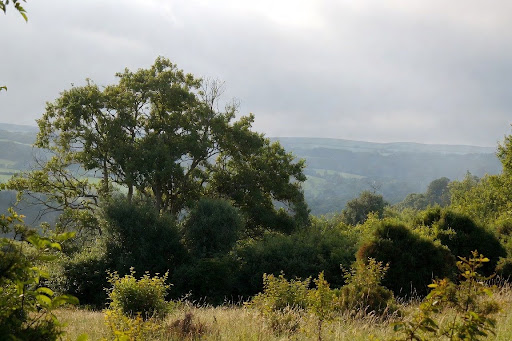
In England, one of the most direct opportunities comes from Biodiversity Net Gain. Under the Environment Act 2021, most qualifying developments must achieve at least a 10% increase in biodiversity value. Developers unable to deliver their full requirement on-site can purchase off-site biodiversity units generated through habitat creation and enhancement projects.
For farmers and landowners, this creates an opportunity to earn income from land that could support ecological improvements. Through Civity’s Biodiversity Net Gain services for landowners, suitable land can be assessed for habitat restoration potential and considered for long-term agreements that provide rental and habitat management income.
However, not every field or restoration project will generate the same financial return. Existing habitats, location, ecological potential, local demand and long-term management requirements all influence the commercial viability of a scheme.
How Does Habitat Restoration Generate Income for Farmers?
Habitat restoration generates income when farmers receive payments for creating, enhancing or managing habitats that deliver measurable environmental improvements. Revenue can come from selling biodiversity units, leasing land to habitat bank operators, carrying out paid habitat management, participating in environmental schemes or providing other eligible ecosystem services.
Traditionally, agricultural income has been linked to food production, livestock or land rental. Natural capital markets create an additional way of recognising the economic benefits of land management. For example, a farmer might convert a suitable area of lower-yielding agricultural land into species-rich grassland, restoring native plant species and improving habitat for pollinators and other wildlife. If the project meets the relevant Biodiversity Net Gain requirements, the ecological improvement may generate biodiversity units that can be sold to developers.
The farmer may receive payments through a long-term lease, a habitat management contract or another commercial arrangement. Importantly, income does not necessarily depend on the farmer selling the land outright. Leasing suitable land for habitat banking can allow the landowner to retain ownership while receiving payments over an agreed period. The financial return depends on the contract, the ecological improvements being delivered and the responsibilities accepted by each party.
What Is Biodiversity Net Gain and How Can Farmers Benefit?
Biodiversity Net Gain is a planning requirement in England that requires most qualifying developments to deliver a measurable improvement in biodiversity. Where developers cannot meet their full requirement within the development site, they can purchase off-site biodiversity units generated through legally secured habitat creation or enhancement on other land.
This creates a connection between development projects and agricultural land. Developers require biodiversity units to meet planning obligations, while farmers may have land capable of delivering suitable habitat improvements. The Government’s Biodiversity Net Gain guidance explains that developers can achieve their requirements through on-site habitat improvements, off-site biodiversity units or, as a last resort, statutory biodiversity credits.
For landowners, the opportunity is to supply the off-site units that developers need. A biodiversity unit is calculated using the statutory biodiversity metric, which considers habitat characteristics including area, distinctiveness, condition and strategic significance. The number of units generated depends on the difference between the existing biodiversity value and the proposed value following habitat creation or enhancement.
For example, restoring a species-poor grassland to a more diverse habitat may produce measurable biodiversity gains. However, a valuable habitat in poor ecological condition can also have significant enhancement potential, while an already high-quality habitat may offer fewer opportunities for additional measurable gains. This is why professional ecological assessment is essential before estimating the income a particular site could generate.
What Is a Habitat Bank and How Does It Work?
A habitat bank is an area of land where habitats are created or enhanced to generate biodiversity units for sale to developers. The ecological improvements must be secured through an appropriate legal agreement, registered on the Biodiversity Gain Sites Register and maintained for at least 30 years after the relevant habitat enhancement works are completed.
Habitat banks can be established on suitable agricultural land, including arable fields, pasture and other areas with opportunities for nature restoration. For example, a habitat restoration project might involve establishing wildflower-rich grassland, enhancing hedgerows, restoring wetlands or improving woodland habitats.
A qualified ecologist assesses the land and determines which improvements are ecologically appropriate and commercially realistic. The statutory biodiversity metric is then used to calculate the potential biodiversity units, which can be marketed to developers requiring off-site BNG for planning applications. The habitat bank operator coordinates the necessary legal agreements, registration, unit sales and ongoing habitat management arrangements.
At Civity, we work with farmers and landowners to assess suitable land, establish habitat creation opportunities and connect the resulting biodiversity units with developer demand. Our model typically involves long-term leasing arrangements, allowing landowners to receive rental income while habitat creation and management are coordinated over the agreement period.
What Types of Habitat Restoration Projects Can Generate Income?
Habitat restoration projects can generate income where they deliver eligible, measurable ecological improvements that meet the requirements of a relevant environmental market. Suitable projects may include species-rich grassland creation, woodland enhancement, wetland restoration, hedgerow improvement and other habitat measures appropriate to the land.
Species-Rich Grassland Restoration
Species-rich grassland can support pollinators, invertebrates, birds and other wildlife. Farmers may be able to create or enhance these habitats by introducing appropriate native plant species and changing land management practices. Long-term management might involve carefully timed hay cutting, conservation grazing and controlling invasive or undesirable vegetation. Where the project creates additional biodiversity value, the resulting habitat may generate units for sale through the BNG market.
Woodland Creation and Enhancement
Native woodlands provide habitats for birds, mammals, invertebrates and plant species while contributing to wider landscape connectivity. Habitat restoration may involve establishing suitable native trees, enhancing existing woodland structure or improving woodland edges. Woodland creation can also contribute to carbon sequestration, although eligibility for carbon payments and BNG units must be assessed separately.
Woodland projects require careful consideration of soil conditions, existing habitats, planting suitability and long-term maintenance. Planting trees is not automatically the best ecological outcome for every site. Existing grasslands, wetlands and other valuable open habitats may be better protected or enhanced rather than converted to woodland.
Wetland and Peatland Restoration
Wetland restoration can improve habitat diversity, support wildlife and contribute to water management. Projects may involve restoring natural water levels, creating ponds or enhancing wet grassland. Peatland restoration can help protect stored carbon and support specialist ecosystems where suitable peat habitats are present. These projects may provide opportunities through biodiversity markets or eligible carbon schemes, depending on the land and the restoration activity.
Hedgerow and Scrub Enhancement
Hedgerows provide shelter, food and movement corridors for wildlife across agricultural landscapes. Creating new hedgerows or improving existing networks can increase ecological connectivity between habitats. Appropriate scrub creation may also provide valuable habitat, particularly where it forms part of a wider landscape restoration strategy. Hedgerow biodiversity units are calculated separately from area habitat units, making accurate assessment important when determining market opportunities.
Riverbanks and Coastal Habitats
Farmers with land adjoining rivers, streams or coastal areas may have opportunities to restore riparian vegetation, wetlands or other suitable habitats. These projects can support water quality, ecological connectivity and natural flood management. Coastal habitat restoration may also contribute to climate adaptation and the protection of sensitive ecosystems. However, coastal and watercourse projects often involve additional regulatory, technical and environmental constraints that must be assessed before restoration work begins.
How Much Can Farmers Earn From Habitat Restoration?
The amount farmers can earn from habitat restoration depends on land area, existing habitat condition, location, biodiversity unit potential, local developer demand and the terms of the commercial agreement. There is no universal payment rate because the ecological and financial characteristics of each site differ.
Civity’s published landowner FAQs describe indicative minimum payments of approximately £60,000 to £95,000 per hectare, spread over a 31-year agreement, depending on habitat type and project circumstances. These figures are indicative of Civity’s published commercial model, not guaranteed income for every agricultural site. Actual offers depend on ecological assessment, development costs, unit values and the specific agreement negotiated.
A habitat bank may also involve different income components. For example, a farmer could receive rental payments for leasing land and additional payments where they undertake agreed habitat management activities. Some arrangements may also include profit-sharing mechanisms or other contract-specific payments.
The important distinction is between the gross value of biodiversity units sold to developers and the net income received by the landowner. Habitat creation, ecological surveys, legal agreements, registration, monitoring and long-term maintenance all carry costs. A commercial assessment should therefore establish the expected payments, responsibilities and financial commitments before the landowner enters into a long-term agreement.
Can Farmers Continue Farming Land Used for Biodiversity Net Gain?
Farmers may be able to continue certain agricultural activities on land used for Biodiversity Net Gain, provided those activities are compatible with the agreed habitat creation and management objectives. However, some forms of intensive farming may need to stop or change to achieve the required ecological improvements.
For example, conservation grazing can be an important management technique for maintaining species-rich grassland. Similarly, hay cutting may support the ecological condition of a meadow where it is carried out at appropriate times and intensities. These activities can form part of a Habitat Management and Monitoring Plan rather than being prohibited altogether.
However, restoring a habitat may require changes to fertiliser use, drainage, cultivation, stocking density or other agricultural practices. The suitability of continued farming depends on the habitat type, management plan and legal agreement.
Farmers should also consider how habitat restoration will affect their wider agricultural business, including access routes, neighbouring fields, tenancy arrangements and future land use. For some holdings, allocating less productive land to habitat restoration may provide an additional income opportunity without requiring the entire farm to change its primary use.
Can Farmers Combine BNG Income With Carbon Credits or Environmental Grants?
Farmers may be able to combine income from Biodiversity Net Gain with certain environmental payments, including nutrient mitigation credits, carbon markets or government-supported land management schemes. However, combining payments is subject to eligibility rules, and the same ecological improvement cannot automatically be sold multiple times.
This process is often called stacking, where different environmental services delivered on the same land may generate separate payments. For example, restoring a wetland could potentially improve biodiversity, reduce nutrient pollution and provide wider ecosystem services. However, each proposed income stream must satisfy the rules of the relevant market or funding scheme.
Carbon Credits
Carbon sequestration projects can provide revenue where eligible woodland creation or peatland restoration delivers independently verified carbon benefits. The Woodland Carbon Code and Peatland Code provide frameworks for certain UK carbon projects. However, farmers cannot assume that carbon credits and biodiversity units can both be sold for the same restoration activity. Additional ecological improvements may be required, and the BNG baseline must reflect work already funded through another scheme.
Nutrient Mitigation Credits
Nutrient mitigation credits can be generated by eligible projects that reduce or capture nutrients entering sensitive water environments. These credits may be purchased by developers seeking to address nutrient neutrality requirements in affected catchments. Certain habitat restoration projects, including wetlands and buffer areas, may contribute to nutrient reduction. Where the rules allow, nutrient credits and biodiversity units can potentially be generated from the same land.
Environmental Land Management Payments
Government-supported schemes may provide payments for sustainable farming practices, habitat management and environmental improvements. These arrangements can help support conservation activities, but eligibility and compatibility with private nature markets must be checked carefully.
The Government’s guidance on combining BNG, nutrient mitigation and other environmental payments explains the principles governing different forms of environmental income. Because the guidance and individual schemes can change, farmers should confirm current eligibility before committing land or accepting funding.
What Are the Long-Term Commitments of a Habitat Restoration Project?
Habitat restoration projects generating off-site biodiversity units require a legally secured commitment to maintain the agreed habitats for at least 30 years after the relevant enhancement works are completed. Landowners must understand how this commitment affects land management, future ownership, monitoring responsibilities and commercial flexibility.
The legal agreement is generally established through a Section 106 planning obligation with a local planning authority or a conservation covenant with an authorised responsible body. These agreements establish the ecological obligations attached to the land. A Habitat Management and Monitoring Plan provides further detail about the habitat outcomes, management activities and monitoring requirements.
For example, a restored meadow may require regular vegetation management and ecological monitoring to demonstrate progress towards its target condition. The management plan should also address risks such as failed planting, invasive species, drought, flooding or unexpected changes in habitat condition.
Long-term financial planning is essential because habitat management costs may change over the agreement period. The government’s guidance on legal agreements for biodiversity net gain explains how habitat obligations are secured. For farmers considering a habitat bank, the long-term commitment should be assessed alongside potential income, rather than treating the agreement as a short-term environmental payment.
How Do Farmers Know Whether Their Land Is Suitable for Habitat Restoration?
Farmers can assess whether their land is suitable for habitat restoration by commissioning an ecological assessment that examines existing habitats, environmental constraints, restoration opportunities and potential biodiversity unit generation. Commercial viability also depends on location, local demand and the costs of establishing and maintaining the proposed habitats.
The assessment process begins with understanding the land’s current ecological condition. A qualified ecologist can identify habitat types, assess their condition and determine which improvements may be realistic. For example, an area of agricultural grassland may have potential for species-rich meadow restoration, while another site may be more appropriate for wetland enhancement or hedgerow creation.
The assessment should also consider soil conditions, hydrology, existing protected species, priority habitats and practical management requirements. Location is particularly important for BNG. The statutory biodiversity metric applies spatial risk multipliers to off-site units, meaning their geographical relationship to a development can affect their contribution towards the developer’s biodiversity requirement.
Local nature recovery strategies can also influence strategic significance where proposed habitat creation or enhancement aligns with identified measures in the relevant mapped locations. This means a habitat bank that supports local nature recovery priorities may be attractive to developers, provided it generates the habitat types they require and satisfies the relevant trading rules.
At Civity, our ecologists assess the existing habitats and restoration opportunities on suitable land, while our wider team considers local demand and the commercial potential of the biodiversity units that could be generated.
How Do Farmers Start a Habitat Restoration Project?
Farmers can begin a habitat restoration project by reviewing their land’s ecological potential, discussing suitable habitat improvements with an experienced provider and obtaining a commercial assessment of possible income. Before committing, they should understand the proposed legal agreements, management responsibilities and long-term implications for their agricultural business.
An initial conversation can establish whether the land is likely to meet the requirements of a habitat bank. This is followed by ecological assessment to identify existing habitats and realistic opportunities for creation or enhancement. The potential biodiversity units can then be calculated using the statutory biodiversity metric.
Alongside the ecological work, the commercial assessment considers local developer demand, anticipated unit values, project costs and possible payment arrangements. If the project is viable, the parties can agree on the appropriate lease, management and legal arrangements.
The habitat bank must then be legally secured and registered before its units can be formally allocated to developers. Once habitat works begin, ongoing monitoring and management are required to achieve the agreed ecological outcomes.
What Are the Wider Benefits of Habitat Restoration for Farmers and Communities?
Habitat restoration can provide benefits beyond direct income by improving biodiversity, supporting ecosystem services and helping landscapes become more resilient to environmental pressures. Well-designed projects may also support local communities through improved wildlife habitats, healthier soils and better water management.
Restoring native vegetation can provide food and shelter for wildlife, helping species recover in landscapes where suitable habitats have declined. Wetlands and floodplain habitats may help slow or store water during periods of heavy rainfall, depending on their location and design. Woodland and hedgerow restoration can improve ecological connectivity, allowing species to move between habitats.
Healthy ecosystems may also contribute to carbon storage, pollination and improved water quality. These benefits can be particularly valuable where habitat restoration projects operate at a larger landscape scale. Connecting restored habitats across neighbouring landholdings may provide stronger ecological outcomes than isolated improvements.
For farmers, this creates an opportunity to contribute to nature recovery while developing a potentially sustainable income stream from land. However, the environmental benefits and economic returns should be evaluated separately. Not every habitat improvement will generate marketable units, and not every ecosystem service will qualify for additional payments.
How Civity Helps Farmers Generate Income Through Habitat Restoration
Civity works with farmers and landowners to identify suitable land for habitat creation and enhancement, establish biodiversity unit opportunities and connect those units with developers seeking to meet their Biodiversity Net Gain requirements.
Our ecologists undertake assessments to understand existing habitats and determine which restoration measures are appropriate for the land. We then combine this ecological information with an assessment of local demand, potential biodiversity unit values and the practical costs of establishing and maintaining the habitats.
For suitable projects, Civity typically works through long-term lease arrangements, with rental and habitat management income forming part of the commercial model. We coordinate habitat creation, biodiversity unit generation and the ongoing management and monitoring arrangements required for BNG.
Our approach is designed to help landowners access the biodiversity market without having to independently manage every stage of habitat bank development, registration and unit sales. Farmers can also explore the more detailed information in our landowner FAQs, which explain how our agreements, payments and habitat management arrangements work.
Explore Habitat Restoration Income Opportunities With Civity
Habitat restoration can provide farmers with an opportunity to diversify income while contributing to biodiversity recovery, healthier ecosystems and long-term environmental improvements.
Through Biodiversity Net Gain, suitable agricultural land can generate biodiversity units that developers purchase to meet planning requirements. Other opportunities may exist through environmental schemes, nutrient mitigation or eligible carbon projects.
The most suitable approach depends on the land’s ecological condition, restoration potential, location, market demand and long-term management commitments.
At Civity, we help farmers and landowners understand whether their land could support a commercially viable habitat restoration project. Our ecological assessments and habitat bank services bring together the environmental and commercial considerations needed to evaluate these opportunities.
If you own agricultural land and want to explore its potential for Biodiversity Net Gain, contact Civity to discuss how habitat restoration could create a long-term income opportunity for your land.