

For many private landowners, farmers and land managers, biodiversity net gain is creating a new way to think about land value.
Under the Environment Act, most qualifying developments in England must now deliver at least a 10% measurable improvement in biodiversity value. Where developers cannot achieve enough biodiversity net gain on site, they may need to secure off-site biodiversity units from land elsewhere.
That creates an opportunity for suitable landowners to generate biodiversity units through habitat creation and habitat enhancement, then sell those units into the growing BNG market.
The key question is not simply whether you own land, but whether that land has the right ecological, planning and commercial characteristics to support a viable biodiversity gain site.
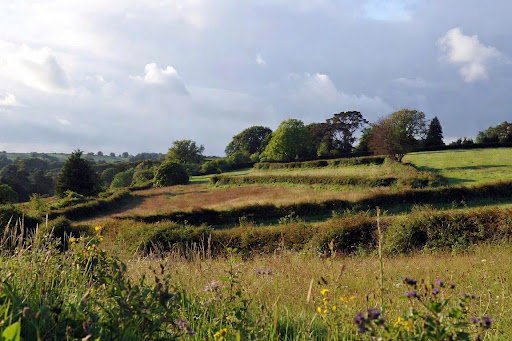
What Is Biodiversity Net Gain?
Biodiversity net gain BNG is a planning requirement designed to ensure that development leaves the natural environment in a measurably better state than before.
Developers must assess the biodiversity value of a development site using the statutory biodiversity metric. The metric compares the ecological value before development with the proposed post-development value and calculates the number of biodiversity units gained or lost.
Where the required net gain cannot be achieved through BNG on site, developers may need to purchase off-site biodiversity units. Statutory biodiversity credits are available through the government only as a last resort.
This system creates demand for land that can support long-term habitat improvements and generate compliant biodiversity units.
Could Agricultural Land Be Suitable for BNG?
Agricultural land can be suitable for off-site BNG, but suitability depends on the existing ecological value and the realistic habitat enhancement opportunities available.
Land that is already high-value habitat may offer less scope for creating additional biodiversity units because the starting biodiversity value is already high.
By contrast, some lower-value agricultural land may have stronger potential for measurable improvement through habitat enhancement or creation.
This does not mean every field should be converted into a biodiversity gain site. Landowners need to consider agricultural productivity, long-term land management, legal commitments, financial viability and how the proposed habitat fits within the surrounding natural ecosystems.
A proper BNG assessment is therefore essential before making decisions about land use.
What Makes a Good Biodiversity Gain Site?
A strong biodiversity gain site usually combines ecological potential with commercial demand.
Ecologically, the land must be capable of supporting meaningful habitat improvements that can be maintained over the long term. Commercially, demand is often stronger where land is located within or close to areas experiencing significant development pressure.
Location matters because developers are incentivised to source units close to their development site. Land within the same local authority area and/or National Character Area can therefore be particularly valuable where there is strong demand for off-site BNG units.
Alignment with local nature recovery priorities can also strengthen the strategic significance of habitat improvements.
This is why two pieces of similar agricultural land can have very different commercial potential within the BNG market.
How Biodiversity Net Gain Can Affect Land Value
Biodiversity net gain can create a potential additional income stream from land that may previously have generated income primarily through agriculture, grazing or other conventional uses.
However, generating and selling biodiversity units should not be assumed to automatically increase the underlying value of the land. The financial implications of entering the BNG market will vary considerably depending on the individual site, the biodiversity units that can be generated, local demand, habitat type, management costs and the long-term legal obligations attached to the land.
In some locations, particular biodiversity units may be in relatively short supply, creating commercial opportunities for landowners where there is demand from developers seeking suitable off-site BNG provision. This potential income needs to be considered alongside the long-term commitments associated with habitat creation, management and monitoring.
Landowners should therefore look at BNG as one potential long-term land use and income opportunity rather than assuming it will increase the capital value of their land. Before committing land to BNG, it is advisable to consult an appropriately qualified land valuer or land agent who can assess the wider implications for the property and provide a more complete picture of its potential value and future use.
The Importance of Local Demand
Demand is one of the most important considerations when assessing whether land is commercially suitable for BNG.
A habitat bank can generate technically valid biodiversity units, but those units still need buyers.
Land close to major developments or areas with significant future development may be more commercially attractive because developers frequently prefer off-site units located within the same local planning authority or national character area.
Land agents and BNG providers therefore look not only at ecological potential but also at development pipelines and market demand.
This commercial assessment is just as important as the initial ecological assessment when deciding whether to create a habitat bank.
What Are the Long-Term Commitments?
Selling biodiversity units creates long-term obligations.
Off-site biodiversity gains need to be legally secured and managed for at least 30 years. This is achieved through conservation covenants or planning obligations, such as Section 106 (S106) agreements.
A conservation covenant may be entered into with a responsible body, while a can involve the relevant local planning authority.
These legal agreements secure the habitat improvements and set out how the land must be managed over the required period.
For private landowners, this means BNG should be viewed as a long-term land management decision rather than a short-term sale.
Habitat Management After Units Are Sold
Creating or enhancing habitats is only the beginning.
The land must continue to be managed in a way that supports the biodiversity value used to generate the units. This may involve grassland management, woodland establishment, wetland maintenance, grazing regimes, invasive species control or other habitat-specific actions.
Monitoring will also be required to demonstrate that habitats are developing as intended.
This ongoing land management needs to be factored into the commercial model from the outset because management costs continue long after biodiversity units have been sold.
Can BNG Work Alongside Other Environmental Schemes?
Potentially, but careful consideration is required.
Some landowners may already participate in an agri-environment scheme or be exploring other environmental schemes such as nutrient credits or carbon-related projects.
The same land cannot automatically be used to generate multiple environmental payments for the same ecological outcome. Any stacking or blending of environmental schemes needs to comply with the relevant rules and avoid double counting.
Landowners should therefore seek specialist advice before combining biodiversity net gain with other environmental markets.
What About Existing Habitats?
Existing habitats are a critical part of the calculation.
BNG rewards measurable improvement, so the starting ecological condition matters significantly.
If land already contains high-quality or priority habitat, its potential to generate additional biodiversity units will depend heavily on its current ecological condition. Where a high-value habitat is already in good condition, there may be less scope to generate further units through enhancement.
However, where a high-value habitat is in a poor state of ecological repair, it may be an excellent candidate for biodiversity net gain. Improving its condition can potentially generate substantial numbers of biodiversity units, provided the required habitat enhancements are practical, achievable and capable of being maintained over the long term.
This is why both habitat type and condition need to be assessed when considering land for BNG. Existing ecological value does not necessarily mean limited BNG potential; in some cases, restoring degraded high-value habitats can present a significant opportunity.
The biodiversity gain hierarchy prioritises protecting existing habitats, while the trading rules within the statutory biodiversity metric help prevent valuable habitats from being replaced with habitats of lower ecological value. This means habitat creation should not be viewed as a way to justify the loss of important existing natural features.
How Developers Create Demand for Off-Site Units
Developers are required to first consider how much biodiversity gain can be achieved on site.
Where on-site measures are insufficient, they can then secure off-site biodiversity gains. This creates demand for registered habitat banks and biodiversity gain sites.
If appropriate off-site units cannot be sourced, developers may buy statutory biodiversity credits, but these are designed as a last resort.
This hierarchy supports the private market by encouraging developers to source biodiversity units from landowners before relying on government credits.
As a result, landowners with well-located, legally secured and ecologically credible habitat banks can play an important role in helping development proceed while supporting nature recovery.
Can Small Sites Generate Biodiversity Units?
Small sites can potentially contribute to biodiversity gain, but commercial viability depends on scale, ecological potential and demand.
The costs associated with ecological assessment, legal agreements, habitat management and long-term monitoring can make very small projects less commercially efficient.
Larger habitat banks may offer stronger economies of scale because management and legal costs are spread across more biodiversity units.
However, each site is different, so landowners should assess the opportunity based on the specific land rather than assuming size alone determines viability.
What Should Landowners Do First?
The first step is to understand both the ecological potential of the land and the likely market demand for the biodiversity units it could generate. Civity can support landowners throughout this process, helping to coordinate the ecological, commercial and delivery elements needed to assess whether a BNG opportunity is viable.
Civity’s ecologists can undertake the ecological assessments needed to understand the existing habitats on site and identify realistic opportunities for habitat creation and enhancement. We can then assess the potential biodiversity units the land could generate and combine this ecological insight with our understanding of the wider BNG market, helping landowners evaluate both the ecological and commercial potential of their land.
Civity can also assess potential demand within the relevant local authority area and/or National Character Area, considering the types of units being generated and their potential market. This helps establish whether a habitat bank is likely to be commercially viable before the landowner commits to long-term obligations.
Once the ecological potential and commercial case are understood, Civity can support the landowner through the next stages of bringing the habitat bank forward, including coordinating the route towards appropriate legal agreements, habitat delivery, long-term management and ultimately connecting suitable biodiversity units with developer demand.
How Civity Supports Landowners
At Civity, we help landowners understand whether their land has the ecological and commercial potential to become a viable habitat bank within the off-site BNG market.
For habitat bank sites, Civity can undertake and coordinate the ecological assessments needed to understand the land’s existing biodiversity value, identify appropriate habitat creation and enhancement opportunities, and establish the potential biodiversity units that could be generated. We can then assess local demand, commercial viability and the practical route to bringing those units to market.
This differs from our role on the developer side. We do not undertake the developer’s biodiversity metric calculations. Instead, we interpret the completed metric outputs provided by the developer’s ecological team, identify their off-site biodiversity unit requirements and provide quotations for suitable off-site BNG units.
Because we work with both landowners creating habitat banks and developers seeking biodiversity units, we have insight into the habitat types and locations where there is market demand.
For landowners, this provides a clearer picture of whether creating a habitat bank is likely to be commercially viable before committing to long-term legal, habitat management and monitoring obligations.
Conclusion
So, could your land be worth more through biodiversity net gain?
Potentially, yes.
Land with the right ecological potential, location and long-term management strategy may be able to generate biodiversity units that can be sold to developers who cannot achieve their full BNG requirement on site.
However, the opportunity depends on more than habitat creation alone. Biodiversity value, local demand, legal agreements, management costs and the number of units that can realistically be generated all determine whether a project is viable.
At Civity, we help landowners and developers navigate the off-site BNG market, connecting habitat creation opportunities with genuine demand for biodiversity units and supporting practical, long-term nature recovery.