

Ecological assessments undertaken by qualified ecologists form the foundation of any biodiversity net gain (BNG) project. For landowners and land managers seeking to generate income through the sale of biodiversity units, understanding the ecological baseline of a site is the critical first step.
Before habitat creation or biodiversity enhancements can be designed, the ecological value of a site must be assessed through a structured process of surveys, data analysis and reporting. This ensures that biodiversity net gain can be measured accurately and that any future gains are credible, compliant and deliverable.
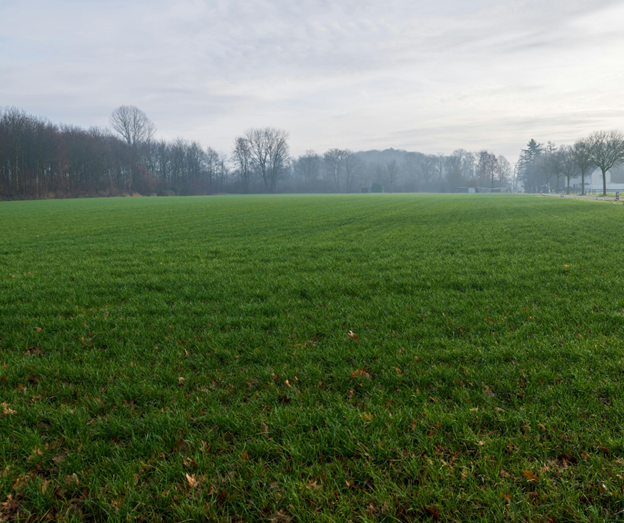
The Role of Ecological Assessments in Biodiversity Net Gain
Under the Environment Act 2021, biodiversity net gain is now a mandatory requirement for most development. Developers must demonstrate measurable improvements in biodiversity using the DEFRA Biodiversity Metric.
For landowners looking to create and sell biodiversity units, ecological assessments establish the baseline biodiversity value against which gains will be calculated. Without a robust ecological assessment, it is not possible to determine how many biodiversity units a site can generate.
This process is also essential for identifying ecological constraints, potential impacts and opportunities for habitat enhancement.
What Is a Preliminary Ecological Appraisal?
The first stage of ecological assessment is typically a Preliminary Ecological Appraisal (PEA). This combines a desktop study with an initial site walkover survey to identify habitats present, potential ecological constraints and the likely presence of protected and priority species.
The desktop study gathers data from sources such as local environmental records centres and the National Biodiversity Network Atlas. The site survey then assesses habitat types, ecological condition and any signs of notable species.
The outcome is a PEA report that:
- Identifies ecological constraints
- Highlights potential impacts
- Recommends whether further surveys are required
When Is an Ecological Impact Assessment Required?
For sites with greater ecological complexity or those associated with development proposals, a more detailed Ecological Impact Assessment (EcIA) may be required.
The EcIA evaluates the potential effects of a development on habitats, species and designated sites. It considers:
- Direct and indirect habitat loss
- Disturbance and fragmentation
- Mitigation and enhancement opportunities
The process follows guidance set by the Chartered Institute of Ecology and Environmental Management (CIEEM), ensuring consistency and professional standards.
The Importance of Ecological Surveys
Ecological surveys provide the evidence base for both baseline assessment and biodiversity metric calculations.
These may include:
- Habitat condition assessments
- Botanical surveys
- Species-specific surveys (e.g. birds, bats, great crested newts)
Survey work is often seasonally constrained, meaning that timing can affect both programme and viability. Accurate survey data is essential to ensure that biodiversity metric calculations reflect the true ecological value of a site and that any biodiversity units generated are defensible within the planning system.
Identifying Ecological Constraints and Opportunities
Ecological assessments do more than identify constraints. They also highlight opportunities for habitat creation and enhancement.
Sites with lower baseline biodiversity, such as underperforming arable or improved grassland, may offer significant potential for habitat restoration and biodiversity uplift. Conversely, sites with higher ecological value may be more constrained but still capable of delivering targeted enhancements.
Understanding these factors allows landowners to design habitat strategies that balance ecological value with long-term land use objectives.
From Assessment to Biodiversity Units
Once ecological surveys are complete, the data is used within the DEFRA Biodiversity Metric to calculate baseline biodiversity units and model post-enhancement scenarios.
This process determines how many biodiversity units can be generated through habitat creation or enhancement. It also considers:
- Habitat distinctiveness
- Condition
- Strategic significance
- Long-term management requirements
The number and type of units generated will directly influence the commercial viability of a site within the BNG market.
Legal and Registration Considerations
Ecological assessments underpin the legal and regulatory framework required to deliver off-site biodiversity units.
To bring a site forward, land must be:
- Supported by a Habitat Management and Monitoring Plan (HMMP)
- Secured through a legal agreement (Section 106 agreement or Conservation Covenant)
- Registered on Natural England’s Biodiversity Gain Site Register
The quality and robustness of ecological data is critical to securing approval and ensuring that biodiversity units can be lawfully allocated to development projects.
Supporting Nature Recovery and Long-Term Land Management
Ecological assessments play a central role in ensuring that biodiversity net gain delivers meaningful environmental outcomes.
By identifying appropriate habitats and realistic management strategies, they support:
- Long-term habitat creation and enhancement
- Improved ecological resilience
- Alignment with Local Nature Recovery Strategies (LNRS)
This ensures that biodiversity net gain functions as more than a compliance requirement, contributing to wider nature recovery objectives.
At Civity
At Civity, we work with landowners to bring forward biodiversity gain sites.
Using ecological survey data and biodiversity metric outputs prepared by qualified ecologists, we:
- Assess the commercial viability of a site
- Identify suitable habitat creation options
- Prepare the Habitat Management and Monitoring Plans (HMMPs)
- Structure legal agreements and oversee site registration
- Facilitate the sale of biodiversity units to developers through our landbank
Summary
Ecological assessments are the starting point for any biodiversity net gain project, providing the baseline data required to measure, design and deliver biodiversity improvements.
For landowners, they are a critical step in understanding both the ecological potential and commercial viability of a site. For developers, they underpin the credibility and compliance of biodiversity gain calculations.
As the BNG market continues to develop, robust ecological data, clear legal structuring and long-term management planning will remain essential to delivering biodiversity units that are both policy-compliant and ecologically meaningful.
Disclaimer
This article is intended for general informational purposes and reflects current ecological assessment practices and biodiversity net gain requirements in England. It does not constitute ecological, legal or planning advice. Landowners and developers should seek professional advice tailored to their specific site and refer to up-to-date guidance from Natural England and relevant regulatory bodies.