

Mandatory biodiversity net gain (BNG) has been in place since the Environment Act 2021 and is now a key aspect of the planning system. Developers are now required to demonstrate at least a 10% increase in the value of biodiversity and to meet the statutory biodiversity gain criteria before they can start on development sites.
The notion of biodiversity net gain is basic, but a lot of planning delays are now occurring because BNG requirements are being addressed too late in the project lifetime. Problems such as incomplete biodiversity gain plans, incorrect biodiversity metric calculations and no offsite biodiversity increases might delay planning authorisation.
Identifying early on where the risks lie and how to mitigate them can help ensure a smoother planning process and save costly redesigns or delays.
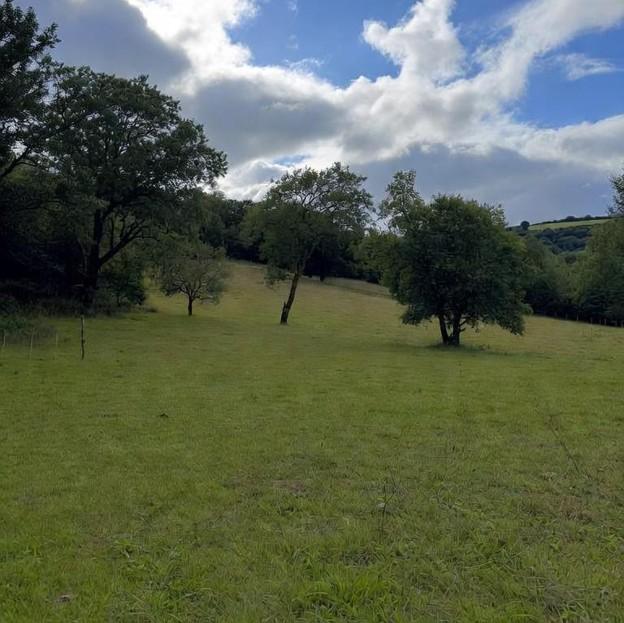
1. Perform Biodiversity Surveys Before Site Design
One of the most typical planning concerns is the delay of biodiversity evaluations until site layouts have been developed.
At the earliest stage, a suitably qualified ecologist should be commissioned to survey the development site and quantify the pre-development biodiversity value using the statutory biodiversity metric. The statutory biodiversity metric assesses biodiversity value using habitat data. It establishes the baseline biodiversity against which all future biodiversity improvements will be assessed.
The pre-development biodiversity value forms the foundation of every biodiversity gain plan and is used to calculate both the baseline biodiversity and the required post-development biodiversity value needed to achieve the biodiversity gain objective.
Early ecological surveys help to identify existing habitats, priority species, irreplaceable habitats and other ecological restrictions before site design is finalised. This enables biodiversity issues to be integrated into development projects from the start of the process rather than at a late point as a barrier.
2. Design for the Biodiversity Gain Hierarchy
One of the most fundamental aspects of biodiversity net gain is the biodiversity gain hierarchy.
Developers should follow a precise sequence of actions: eliminate impacts where possible, minimise unavoidable impacts, restore habitats where appropriate, deliver significant onsite habitat enhancements and only then consider off-site gains. This approach helps maintain the integrity of the natural environment while reducing reliance on biodiversity credits and statutory biodiversity credits. The mitigation hierarchy remains fundamental to planning, decision-making and biodiversity net gain standards.
Often, retaining mature trees, ponds, hedgerows and other elements of high-value habitat reduces biodiversity loss and reduces the number of units of biodiversity that need to be replaced elsewhere. It is generally cheaper to design for existing biological value than to rely on substantial biodiversity credits or off-site solutions.
3. Early Consultation with Local Planning Authorities
Local planning authorities have a key role in assessing biodiversity gain plans and monitoring compliance with biodiversity gain conditions.
Engaging with local authorities early on in the project development can allow developers to grasp local planning expectations, local nature recovery strategy priorities and any site-specific biodiversity implications.
Many local planning authorities have created local enforcement plans and monitoring arrangements in support of the implementation of mandated biodiversity net gain. Early engagement might help minimise surprises later on in the planning phase and match biodiversity initiatives with local interests.
4. Develop a Strong Biodiversity Gain Strategy
For most developments a biodiversity gain plan is now a basic planning requirement.
The plan must demonstrate the pre-development biodiversity value, the expected post-development biodiversity value and how the biodiversity gain objective will be attained through onsite biodiversity gains, habitat creation and ongoing management. It should also clearly set out ideas for habitat construction, habitat augmentation strategies, ongoing management procedures and monitoring criteria.
Although not always required, it may make sense (particularly for larger or more complex projects) to submit a Biodiversity Gain Plan as part of the planning application itself; this gives the Planning Authority a chance to comment on the proposed BNG strategy prior to granting consent. A robust pre-consent biodiversity gain plan should also include a draft habitat management strategy, maintenance mechanisms and a monitoring plan covering both the initial delivery and long-term habitat management.
Where phased developments are proposed, an overall biodiversity gain plan should be created before construction starts. The statutory biodiversity gain condition is a pre-commencement condition linked to planning licenses. The biodiversity gain plan has to be authorised before development commences.
Incomplete or poorly prepared submissions continue to be one of the most prominent reasons for planning delays.
5. Attain Early Offsite Biodiversity Gains
Many developments cannot meet the full 10% biodiversity net gain threshold through on-site habitat upgrades alone.
Where substantial on-site habitat enhancements are not possible, developers will have to achieve off-site biodiversity advantages. Ideally these off-site gains should be secured as early as feasible, prior to planning application submissions.
Off-site biodiversity units are available to varying degrees based on habitat type, location and market need. Units within the same local planning authority area frequently have a higher biodiversity value within the measure and may be preferred by planning authorities.
All offsite biodiversity gains that are registered must be legally secured and recorded on the Biodiversity Gain Site Register maintained by Natural England. Sourcing units to have them on site while waiting for planning permission might generate extra risk, especially with major building initiatives.
6. Establish Long-Term Management Arrangements
BNG compliance doesn’t stop after planning clearance is obtained.
Initial delivery and continuous management of habitats must be assured for at least 30 years. Developers need to establish a draft habitat management strategy early and define who will be accountable for habitat care, monitoring and reporting.
Whether given on site or through offsite biodiversity benefits, the procedures for maintenance should be explicitly recorded through planning obligations, conservation covenants or other legally secured agreements.
A detailed monitoring plan assists local authorities to achieve effective monitoring and to properly track gains in biodiversity during the life of the project.
7. Know Your Last Resort Options
If onsite habitat enhancements or registered offsite biodiversity gains cannot meet biodiversity gain targets, statutory biodiversity credits may be obtained.
However, developers can only buy statutory biodiversity credits after demonstrating that all reasonable alternatives have been considered. These statutory credits are purposefully expensive and are meant as a last resort, not a first choice.
Wherever possible developers should look for off-site solutions rather than rely on biodiversity credits bought through the government plan.
Common BNG Risks Delaying Planning Permission
There are still a number of recurring difficulties that cause delays across the planning system. These include incorrect estimations of biodiversity metrics, incomplete biodiversity gain plans, poor habitat management suggestions and failure to demonstrate conformity with the biodiversity gain hierarchy.
Other issues include undervaluing the onsite environment, not securing offsite biodiversity gains early enough and ignoring local planning authority regulations.
With biodiversity gain criteria attached to most planning licenses given after 12 February 2024, these challenges are becoming increasingly vital for developers to resolve proactively.
How Civity Helps with BNG Planning Risk
At Civity, we support developers in delivering biodiversity net gain requirements from initial feasibility through to planning approval and delivery.
We offer support with biodiversity assessments, statutory biodiversity metric calculation, biodiversity gain programmes, habitat creation strategies and offsite biodiversity unit purchase. We also advise clients on finding appropriate habitat banks, obtaining legally compliant off-site gains, and preparing feasible long-term monitoring programmes.
Early consideration of biodiversity needs can help developers mitigate planning risk, increase project certainty and avoid costly last-minute delays.